The influencer vetting guidebook
Choosing the right influencer requires more than checking follower counts and engagement rates. This guide shares a practical vetting framework for reviewing creators and finding partners that fit your brand and campaign goals.

The Influencer Vetting Framework I Actually Use
I've run influencer campaigns across a handful of industries now. SaaS, health apps, language learning, consumer products. I've also spent a lot of time on the other side of the table, talking to brands and agencies about what actually breaks their vetting process. One thing keeps coming up: most people vet influencers backwards. They start with a creator, check if the creator looks legit, then try to justify why that creator fits the brand.
That's the wrong order. Here's the framework I use instead. It starts with the audience, not the creator.
Step 1: Figure Out Who You're Trying to Reach, Not Who You're Trying to Hire
Before you look at a single profile, answer one question: who is the person you actually want to reach, and what do they watch, read, or scroll through?
This sounds obvious. It isn't. Most vetting mistakes happen because brands skip this and go straight to "find influencers in our category." Your category isn't always where your audience lives.
Example: you're selling an app and your buyer is older. Say you're building a health-tracking app for people in their 60s and 70s. The obvious move is to look for "health influencer" or "wellness creator." But a lot of the highest-value audience for that age group isn't watching health content at all. They're watching gardening content. Gardening creators skew older, and their comment sections are full of exactly the demographic you're trying to reach.
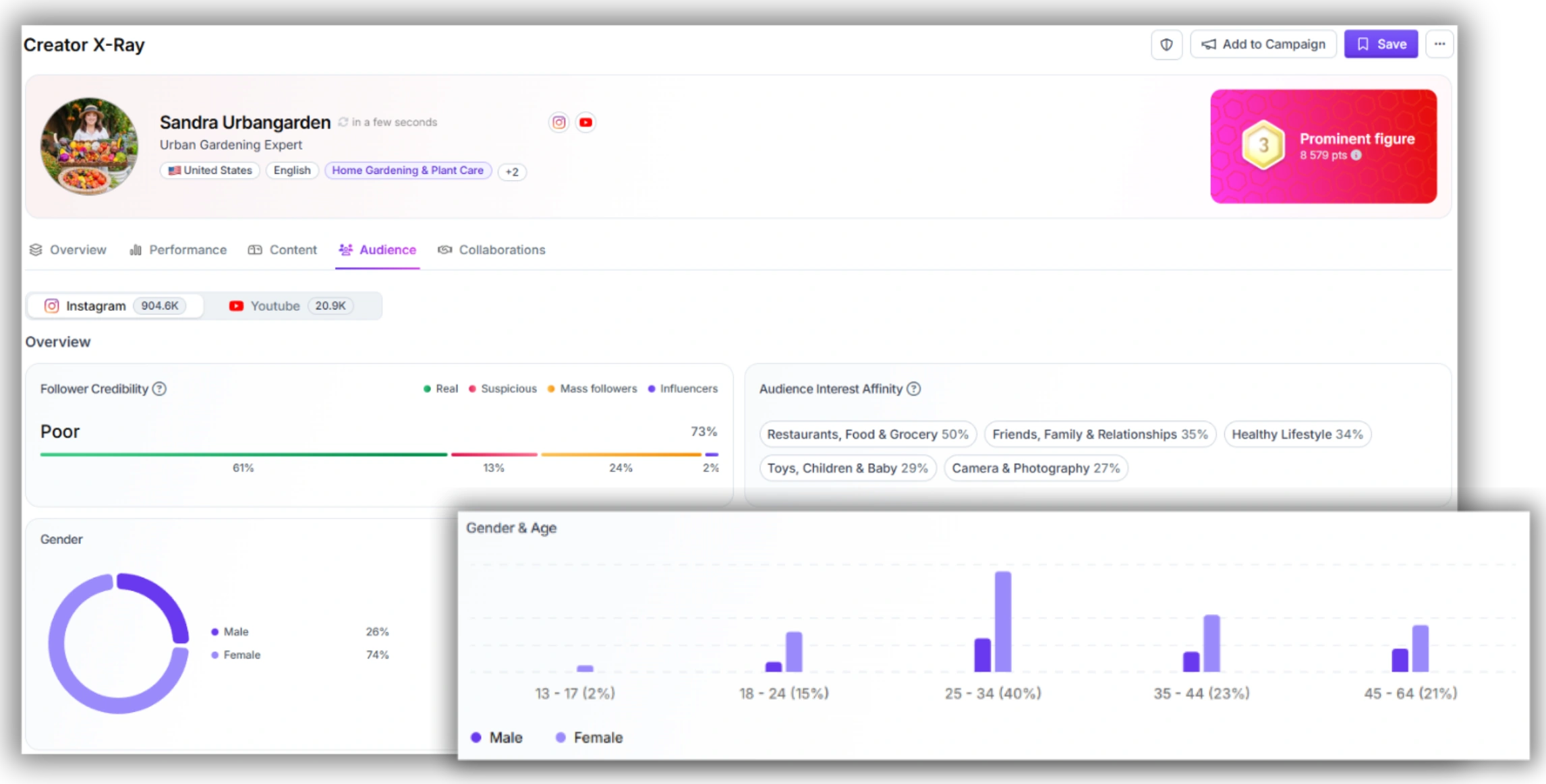
You can check this yourself before committing to anything. Here's how to check an influencer's audience demographics before you ever reach out.
Example: you're selling to corporate professionals. If your buyer is a corporate professional, the platform choice practically makes itself. LinkedIn, not TikTok. Yes, corporate professionals watch TikTok too, plenty of them. But platform dynamics matter. LinkedIn is where people show up in a professional headspace, ready to think about tools and vendors. TikTok is where the same person shows up to switch their brain off. Context changes intent, and intent is what you're actually buying when you run a campaign.
Example: you're selling to immigrants or expats. If your target audience is expats or immigrants living in a new country, say France, you won't find them by searching "expat lifestyle creator." You'll find them by working with creators who talk about immigration law, visa processes, moving abroad logistics, or language learning. That's the content this audience is actively consuming because they need it, not because it's entertaining. Need-based content pulls a more engaged, more targeted audience than lifestyle content ever will.
The Duolingo example, because it proves the point better than anything I can say. Duolingo doesn't only work with language-learning creators. They've worked with Dua Lipa. On paper that looks like a random celebrity play. It isn't. Duolingo went to where their audience actually was, and their audience overlaps heavily with Dua Lipa's. That's the whole framework in one example: work backwards from the audience, not forwards from the category.
This is the single most important step in vetting. Get it wrong and everything downstream, engagement checks, fraud checks, KPI checks, is measuring the wrong creator.
Step 2: Build Your Shortlist by Content Type, Not by Follower Count
Once you know who you're targeting and what they consume, group potential creators by content type. This makes the rest of the process faster because you start to see patterns in what actually converts.
Say you're building a health app for an older audience. You wouldn't build one list of "health creators." You'd build several buckets: Gardening, Elder Living, Health Tips, Religion & Spirituality. Each bucket reaches a slightly different slice of the same audience, and after a campaign or two you'll know which bucket actually drives results for you. That's data you can reuse for every future campaign.
You can discover creators by topic or niche using Favikon's influencer search tool. Type in the niche or topic you're targeting and you get a filtered list to start from.
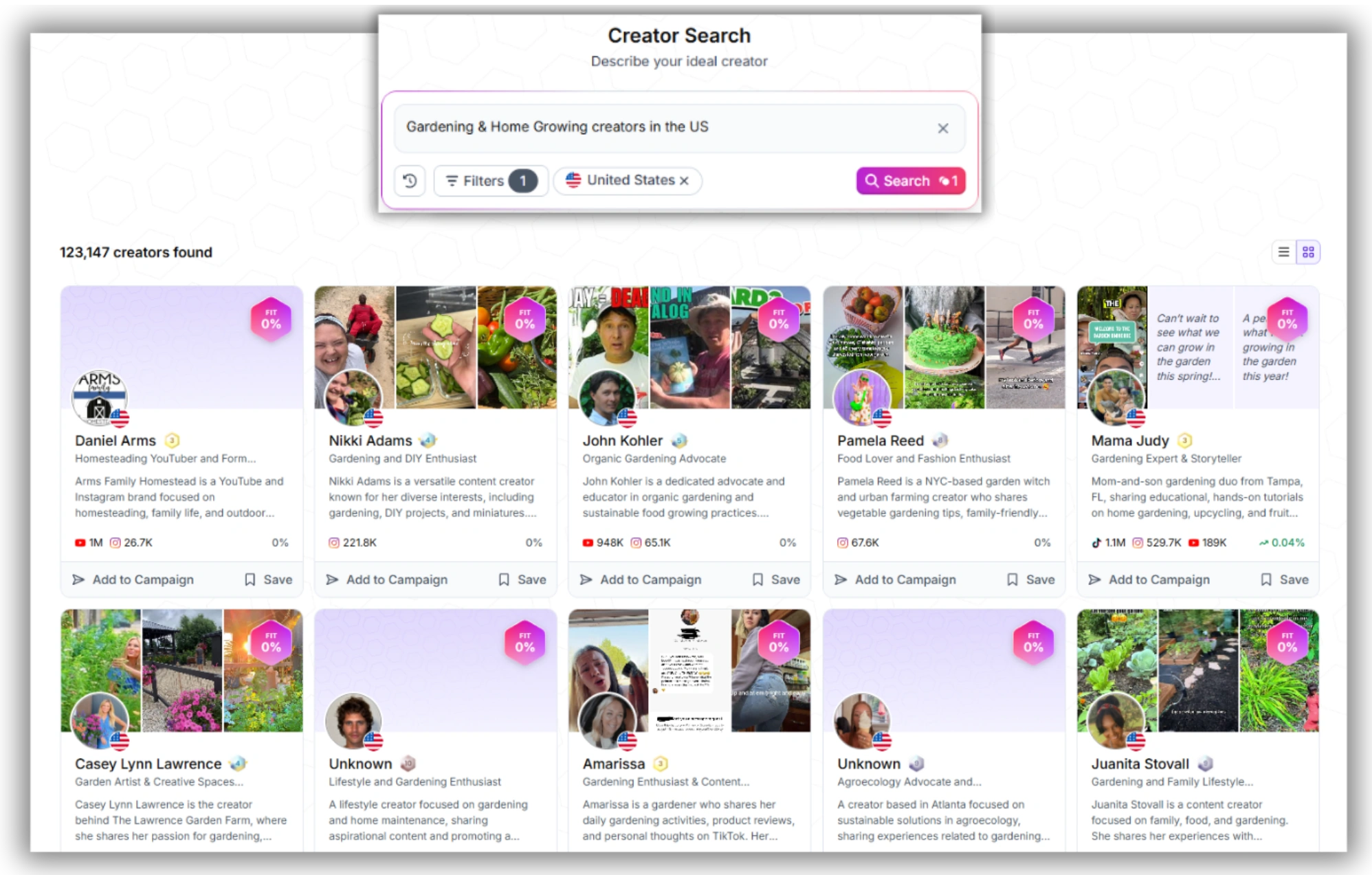
Once you've found a creator that looks promising, check their actual content. Does the tone match what you're looking for? Does the content match the audience you defined in Step 1? A creator can be in the right niche and still be the wrong fit if their tone, format, or content style doesn't match your brand.
Step 3: Rule Out Fraud Before You Fall in Love With a Creator
This is where a lot of vetting time gets wasted, and I'm not the only one saying that. In a Reddit thread I came across on the topic, people working agency-side kept coming back to the same pain point: verifying authentic engagement and audience quality is the most time-consuming part of the entire process. One commenter pointed out that inflated numbers can look strong on the surface, but what actually matters long term is alignment, consistency, and brand fit, not the raw numbers. Another mentioned creators sending manipulated audience demographic screenshots as a recurring problem worth watching for.
This lines up with something an influencer marketing practitioner shared in a LinkedIn post I read recently. Their approach splits vetting into two layers: what you can see publicly (relevance, content quality, audience health, brand safety, conversion potential) and what you can't see, which you only request after a creator clears the first layer. The logic is simple. Don't waste time requesting private data or starting outreach conversations before you've confirmed the fundamentals hold up. That order matters more than people give it credit for.
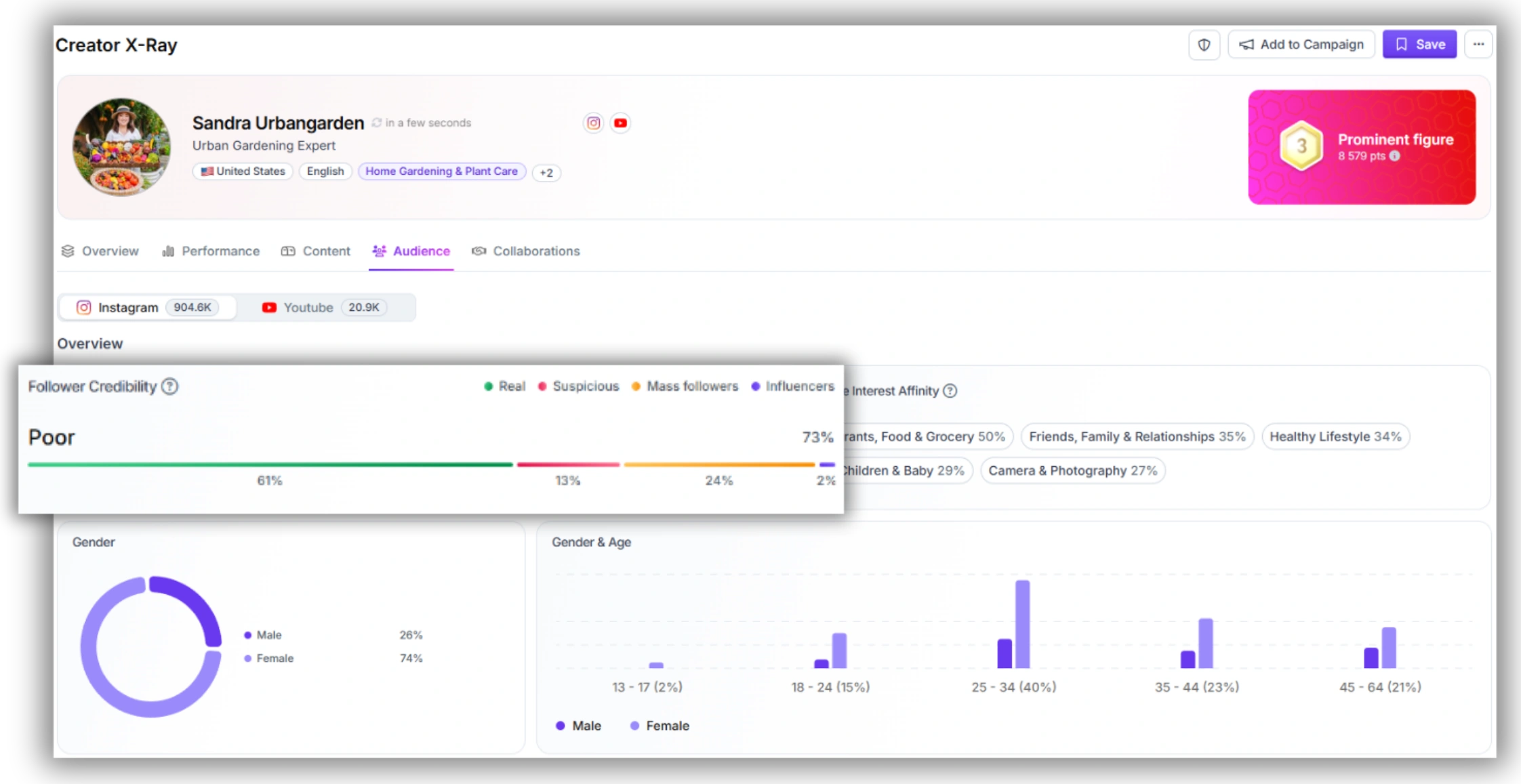
You can run this fraud check directly. Go to the audience tab on Favikon and check for bot or fake follower activity before you commit any budget. Sudden follower spikes, dead-follower ratios, and generic bot-like comment patterns are all signals worth flagging here.
Step 4: Filter for Real Performance, Not Vanity Metrics
By this point you have a broad list of creators who talk to the right audience and pass the fraud check. Now you filter down to the ones who will actually perform for your specific goals.
What "top performing" means depends entirely on your goals and the KPIs you're chasing. I've written a full breakdown of influencer marketing KPIs if you haven't nailed that down yet. Once you know your KPI, check whether the creator can realistically hit it. Here's what I actually look at:
1. Median, not average. Average engagement gets inflated by one viral post or a handful of outliers. Median tells you what the creator does on a normal day, which is what you're actually paying for.
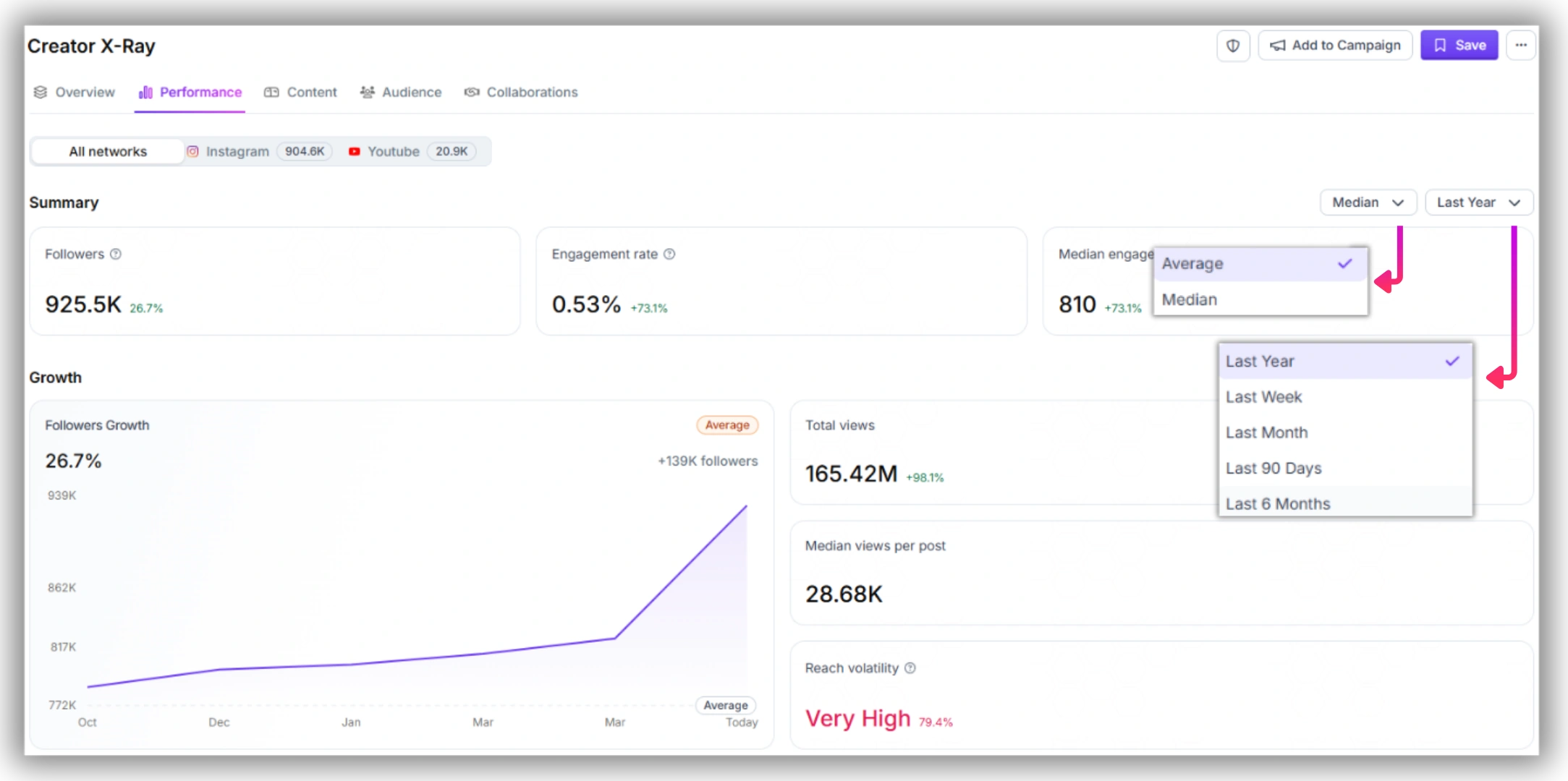
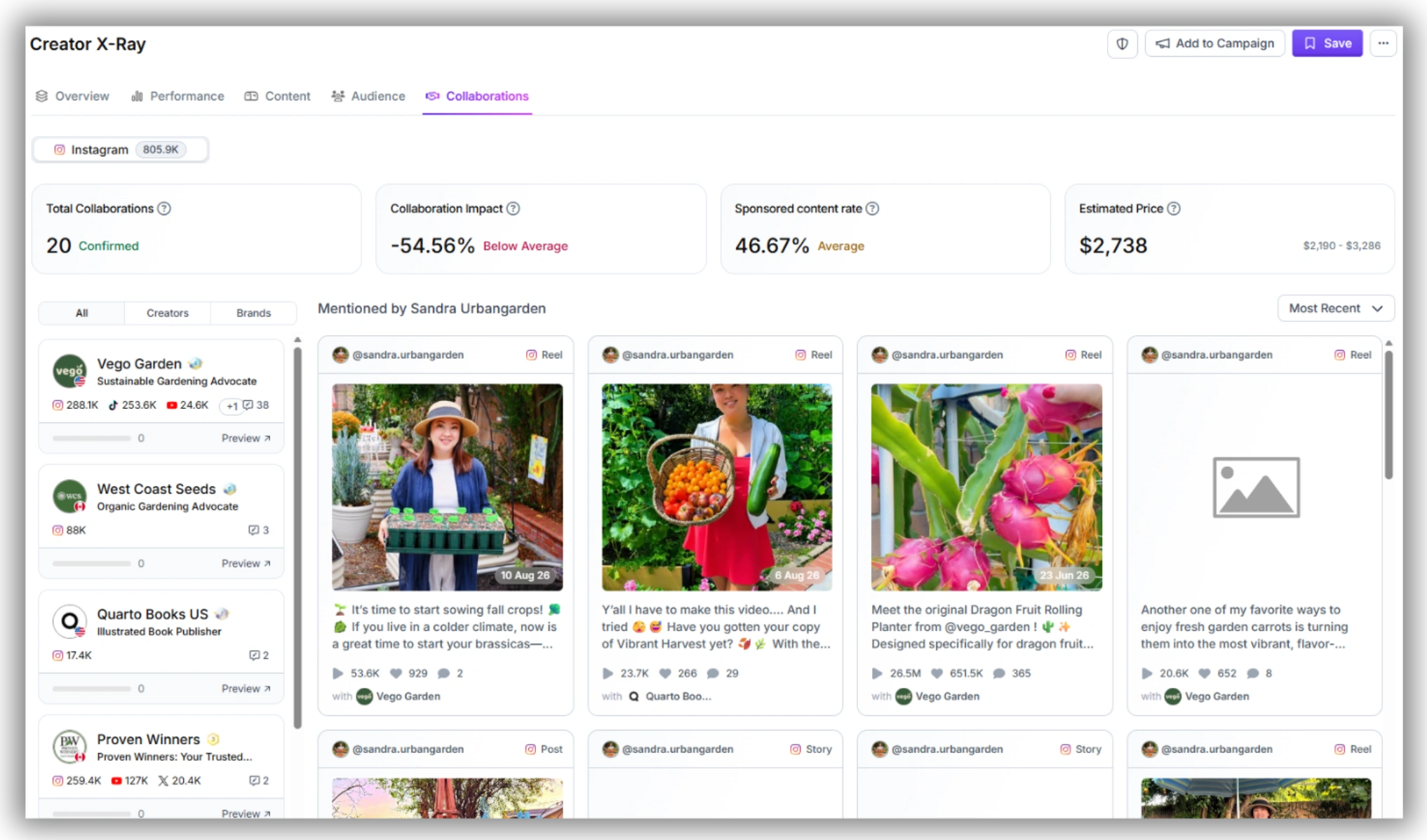
2. Past brand collaboration performance. Check how their previous sponsored content performed compared to their organic content. Favikon's tool for checking a creator's past brand partnerships makes this easy to pull up before you reach out.
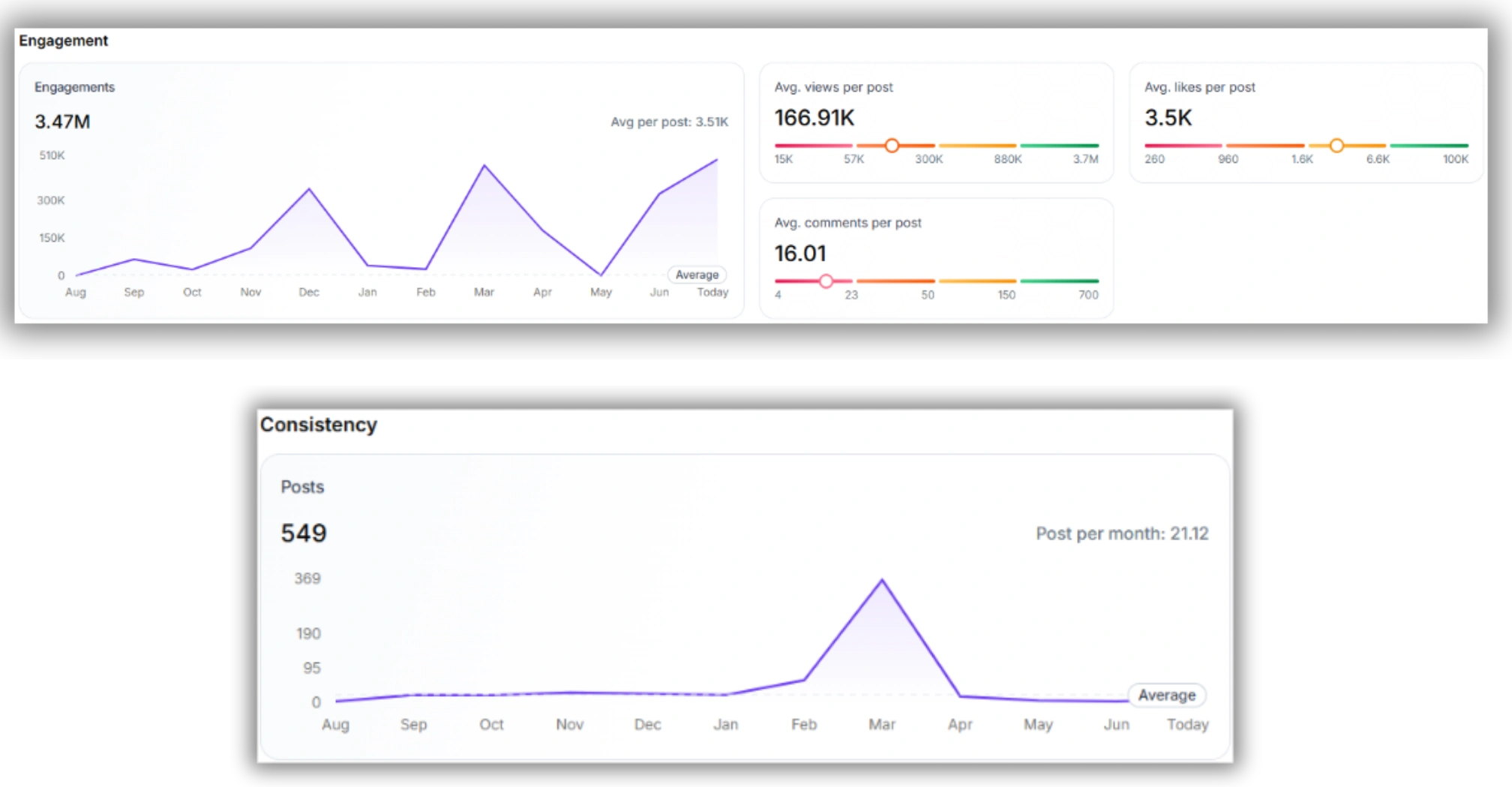
3. Posting pattern and frequency. Consistency tells you a lot about reliability and about how an algorithm is currently treating that account. Erratic posting usually means erratic reach.
The Reddit threads I read back this up almost point for point. Several people flagged that campaign variance usually comes down to creator-audience fit, not market saturation. One comment recommended tracking click-through and conversion separately instead of treating engagement as a proxy for either. Another described using unique promo codes and per-creator landing pages, then measuring signups in a defined window after a post goes live, as a more honest way to attribute results than last-click. A recurring theme across multiple threads: micro creators with tightly aligned, high-trust audiences are consistently outperforming larger, more generic accounts on conversion, even though they lose on raw reach. That tracks with what I've seen running campaigns myself. Reach is easy to buy. Trust isn't.
Step 5: Reach Out
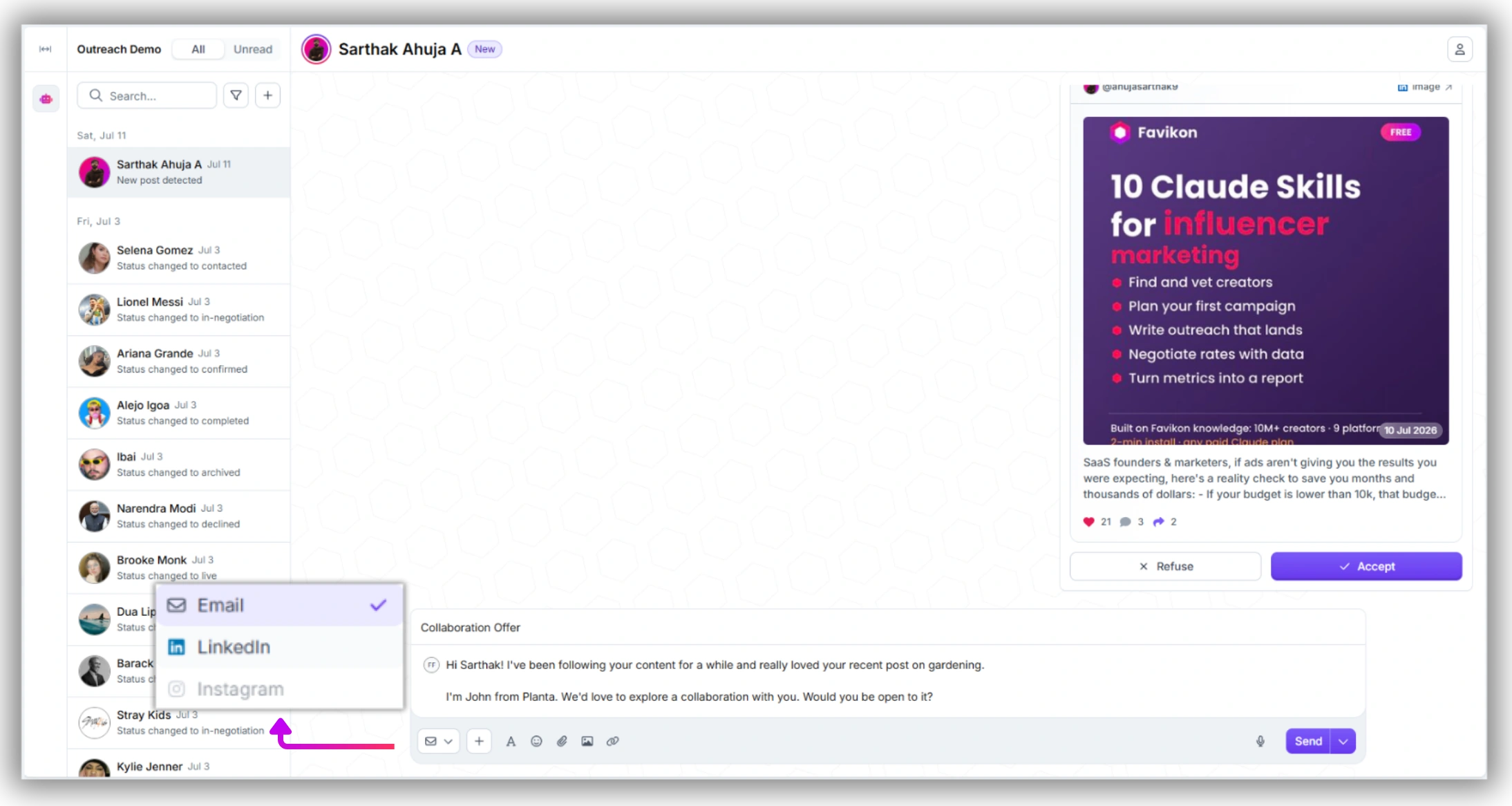
Once a creator clears all four steps, audience fit, content and tone match, clean fraud check, and real performance against your KPI, they're vetted. Now it's just execution. You can run outreach directly through Favikon's influencer outreach platform once you're ready to make contact.
The Short Version
Work backwards from your audience, not forwards from a follower count. Group creators by content type before you start judging individual profiles. Rule out fraud early so you're not wasting time vetting a fake account. Filter by median performance and real KPI fit, not vanity numbers. That order is what separates campaigns that convert from campaigns that just look good on a slide.
Others articles