Which Brands Are Investing in LinkedIn Influencer Marketing?
More brands are turning to LinkedIn influencers to boost credibility and reach decision-makers. Explore which companies are investing in LinkedIn influencer marketing and how it’s driving results.

Which Brands Are Investing in LinkedIn Influencer Marketing?
“Should we invest in LinkedIn influencer marketing?”
This is a question that many B2B marketers are asking, as numerous case studies suggest that LinkedIn influencer marketing is effective.
For example, we recently published a case study of an $8M ARR SaaS company that generates over 50% of its pipeline from LinkedIn.
However, that doesn’t mean that LinkedIn influencer marketing is the right choice for every company.
To help you answer this question, we analyzed a sample of 132 companies running LinkedIn influencer marketing campaigns, examining the industries, sizes, and categories of these businesses to gain a better understanding of the state of LinkedIn influencer marketing.
Brands Investing in Influencer Marketing
To collect this data, we randomly selected English-speaking LinkedIn influencers across various industries (sales, marketing, AI, career development, etc.).
Most of them were primarily larger influencers (e.g., total engagement ranging from approximately 50 to several thousand per post).
Here are some of the patterns we discovered in this content.
Company Size Distribution (By Employee Headcount)
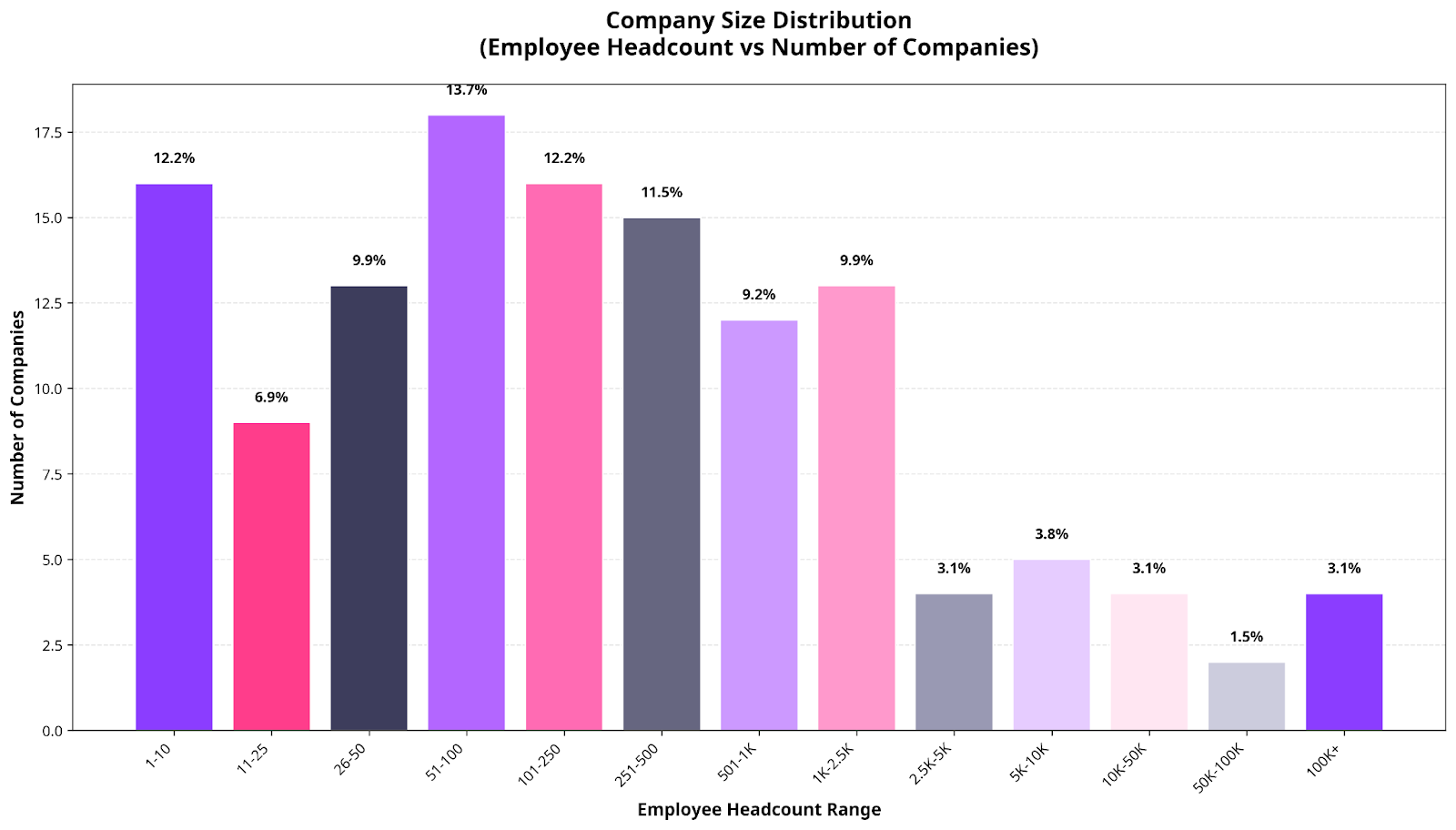
There was a large range of company sizes, though the most common employee count (25%) fell between 200 and 1,000 employees.
To break it down further, approximately 12% of the companies had fewer than 10 employees, and about 29% had fewer than 50 employees.
This suggests that LinkedIn influencer marketing is still relatively cost-effective and can be an excellent go-to-market strategy for agile startups.
However, the platform is also maturing as some Fortune 500 companies, including IBM, are currently running LinkedIn influencer marketing campaigns.
Company Industry Distribution
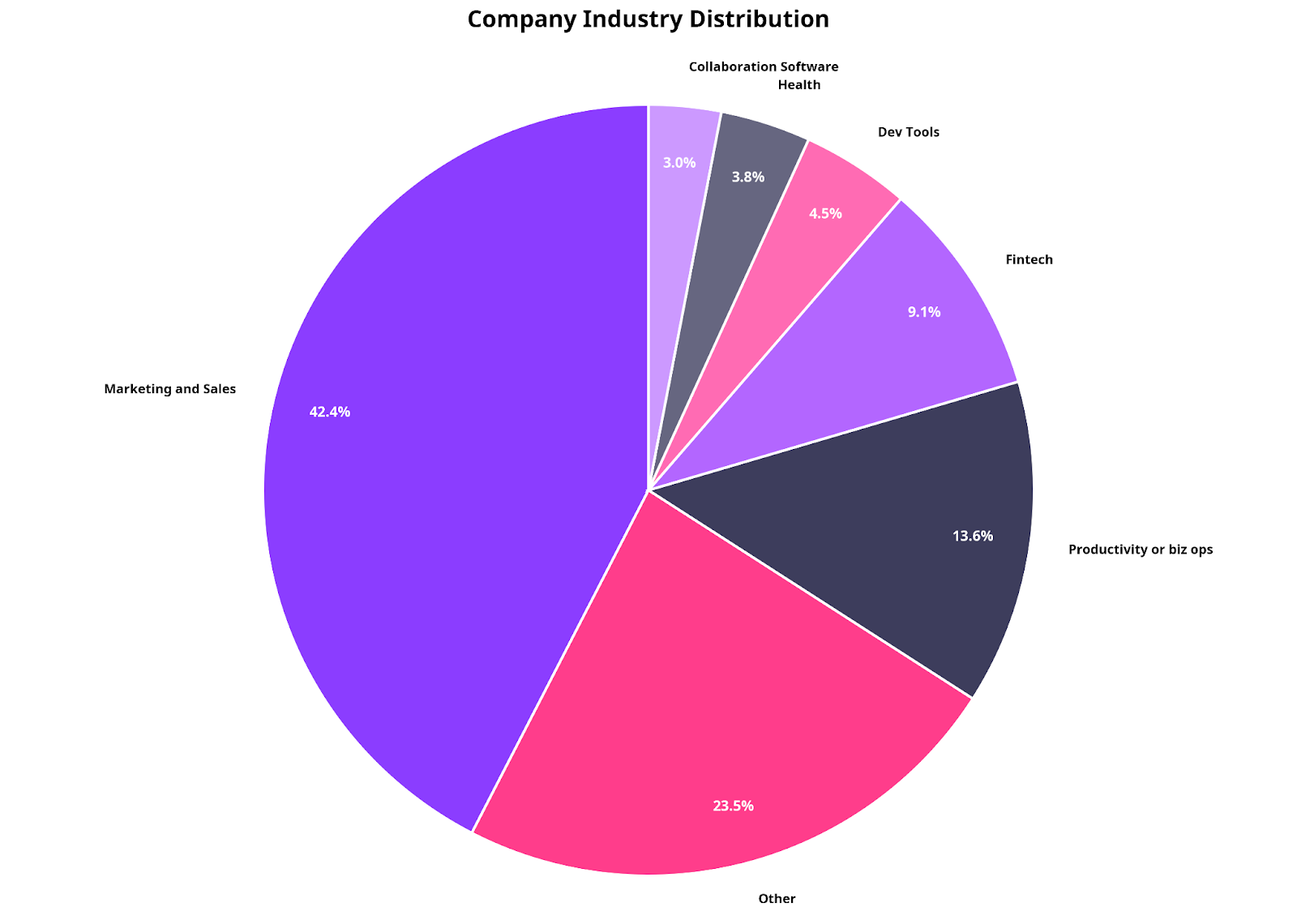
The most common category among all businesses running influencer marketing campaigns on LinkedIn was marketing and sales, accounting for 42% of the sample companies.
This makes sense, as marketers and sales professionals tend to comprise a large percentage of active social media users.
The next largest category, at 13.6%, is productivity and business operations software (e.g., Quillbot or Scribe), followed by Fintech companies at 9% (e.g., Mercury or Acorns).
Type of Customer Distribution
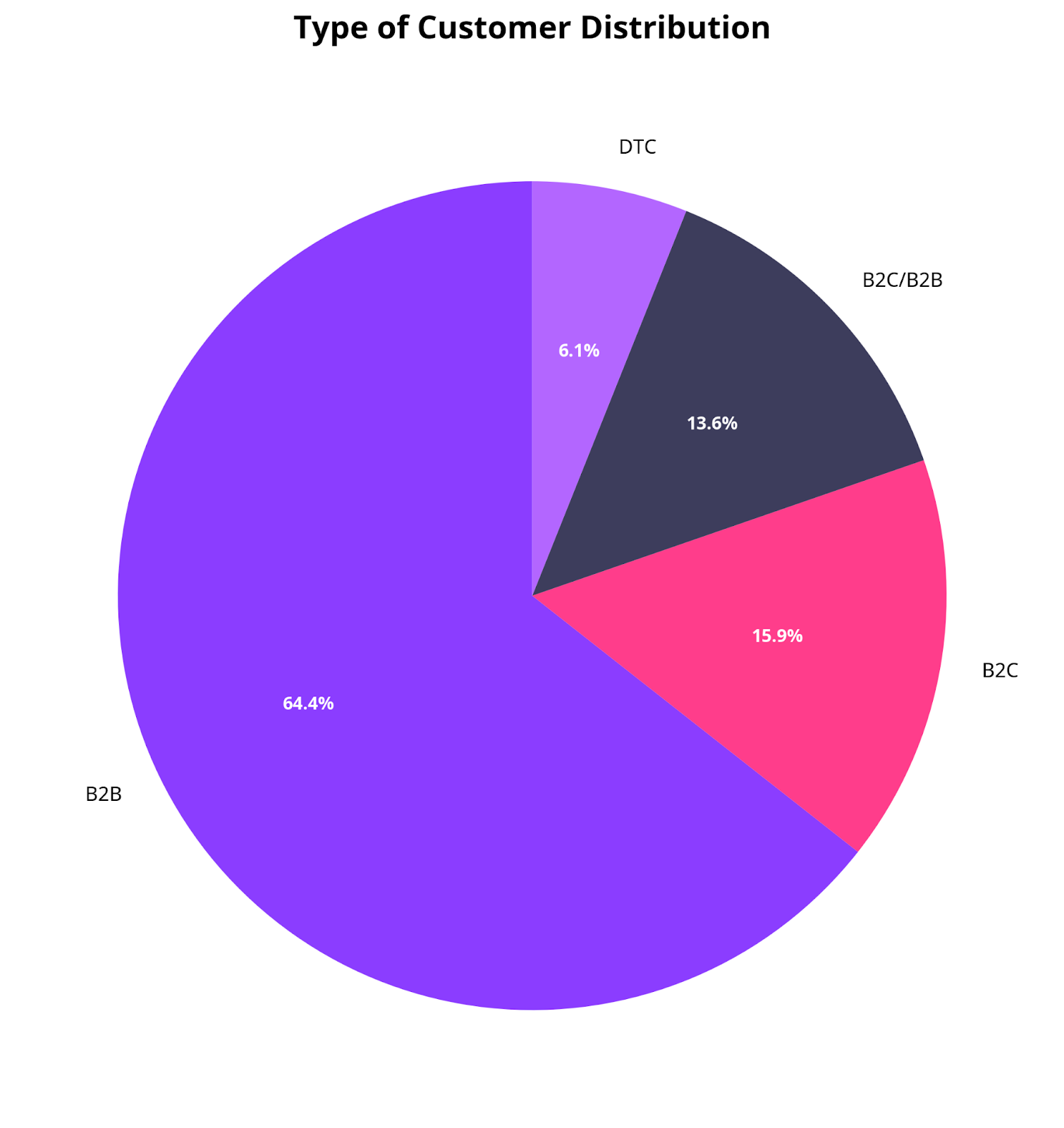
The overwhelming majority of companies (78%) sold B2B products, while 29.5% sold B2C products. However, approximately 13.6% offered both B2B and B2C products.
There were also a handful of DTC brands running LinkedIn influencer campaigns, including Helix Sleep and AG1:
Company Model Distribution
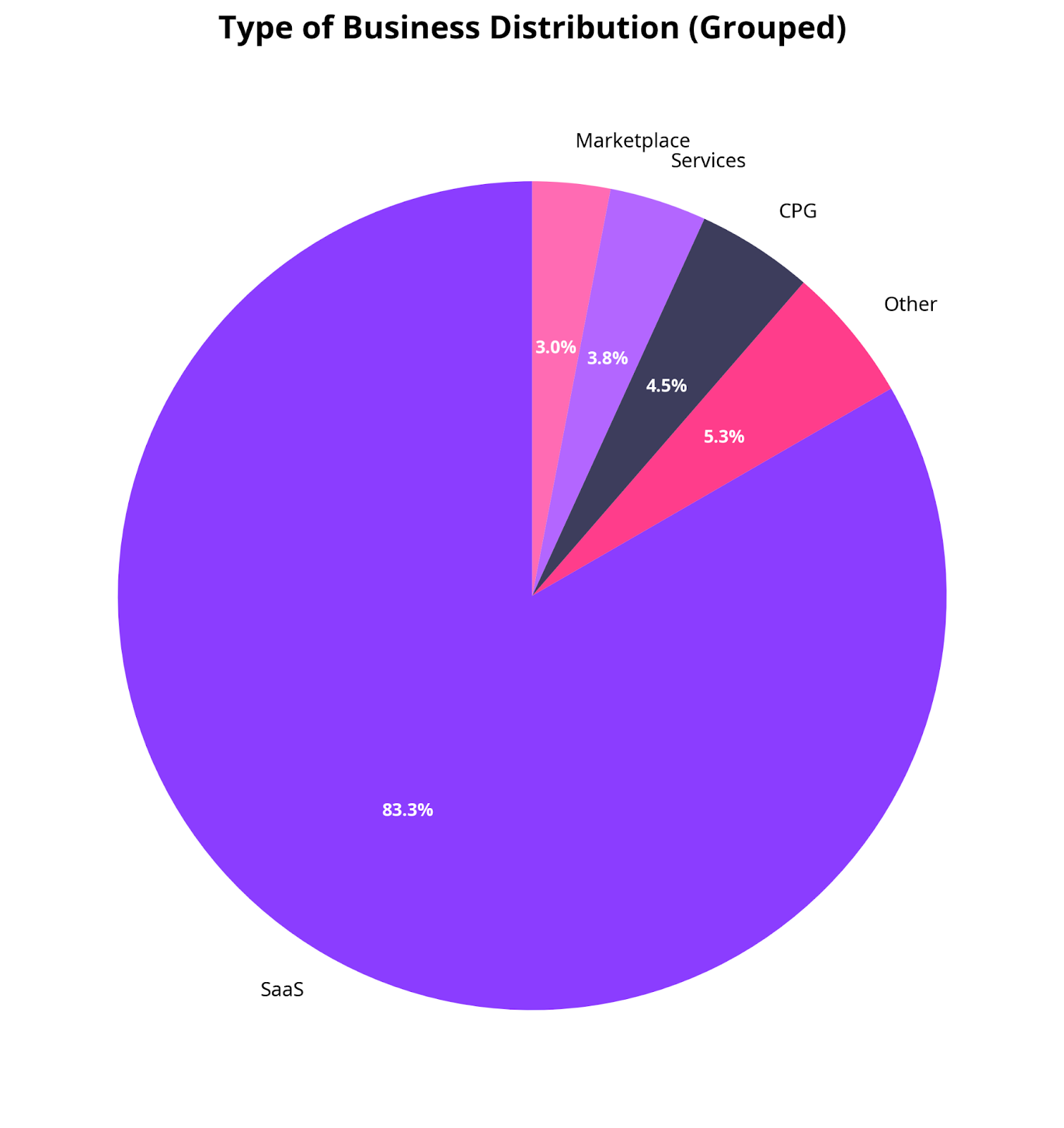
Unsurprisingly, 83% of the companies running LinkedIn influencer marketing campaigns were SaaS companies.
There were also some service businesses, such as agencies and firms, that ran LinkedIn influencer campaigns.
For example, a staffing firm, Express Pros, ran influencer campaigns with a few creators:
There was also an individual who ran influencer campaigns to promote her book and general personal brand:
AI First Companies
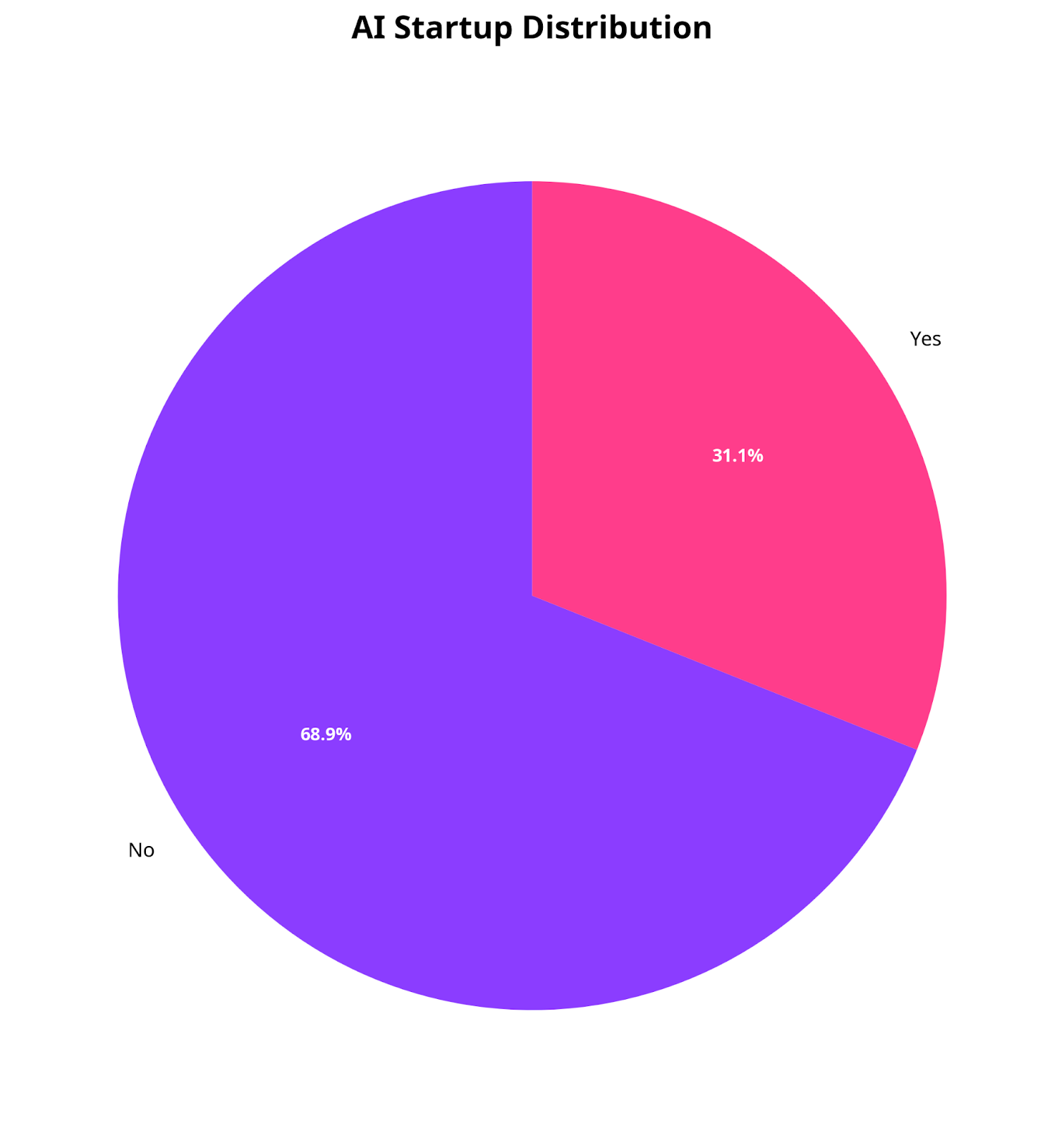
Another interesting note is that a significant percentage (31%) of the companies running LinkedIn influencer campaigns were AI-first companies.
We define “AI-first” as companies whose key differentiator is their AI capabilities. For example, AI agent companies, such as Lindy.ai or Context.ai, fall into this category.
As we’ll explain in more detail below, LinkedIn influencer marketing is excellent for AI companies, as most prospects are problem-unaware and therefore aren’t actively searching for a solution.
Insight #1: LinkedIn is maturing as an influencer platform with Fortune 500 companies investing in it.
Amazon, Adobe, and IBM are just a few of the Fortune 500 companies running influencer marketing campaigns on the platform.
This shift to LinkedIn influencers also shows that even Fortune 500 companies are realizing that authentic, relatable content from a trusted source is often more impactful than traditional corporate messaging.
For example, this product marketing post from IBM has the relatability of a startup post :
Insight #2: LinkedIn influencer marketing is also an efficient go-to-market strategy for startups.
Despite the fact that Fortune 500 companies are investing in LinkedIn influencer marketing, there are also many new startups leveraging smaller creators on LinkedIn to establish their initial customer base.
For example, AdFairy is a startup that recently ran a campaign with social media manager and expert, Enara Roy.
Enara’s two posts generated about 70 comments and over 400 likes – significant brand awareness for a small company.
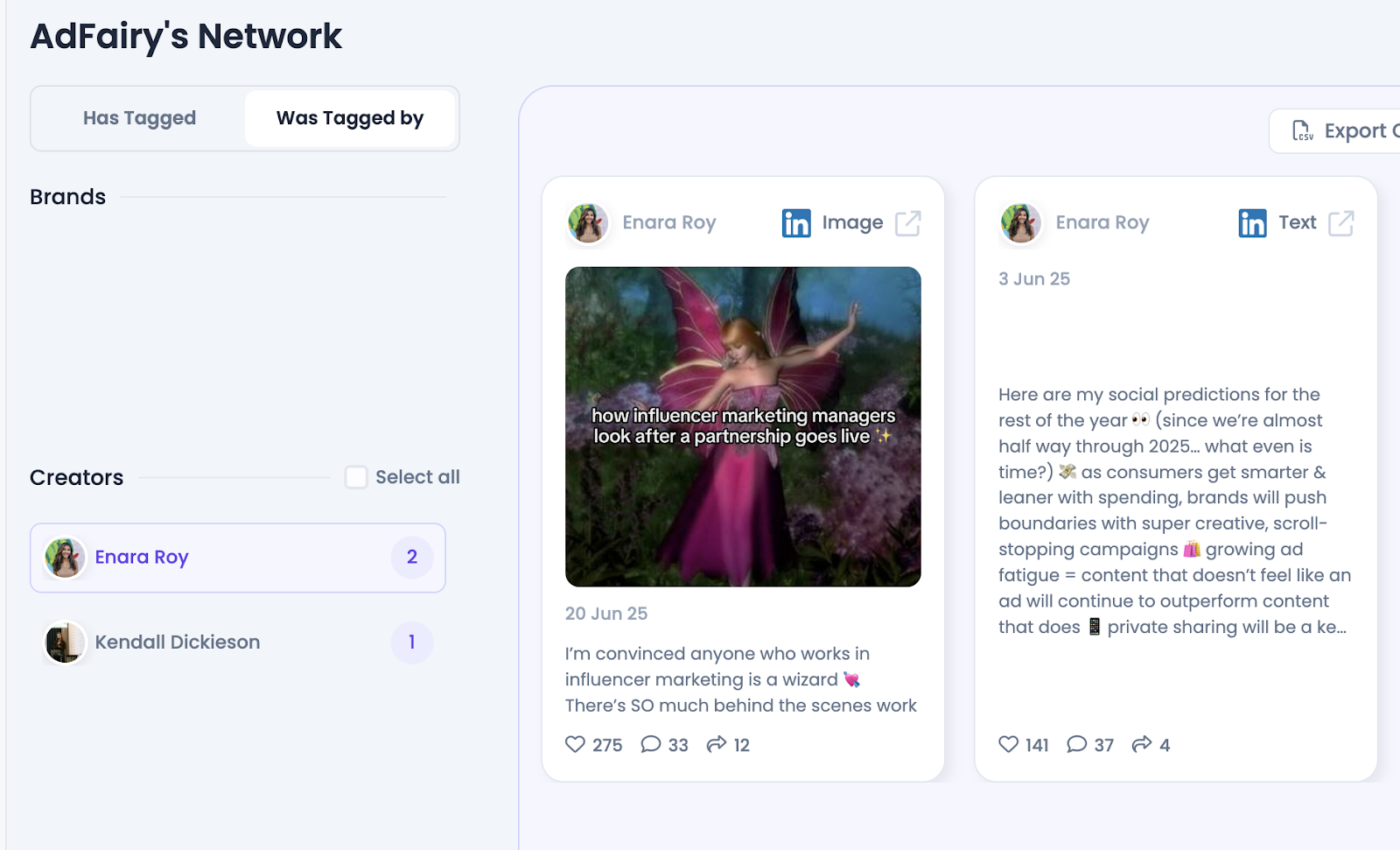
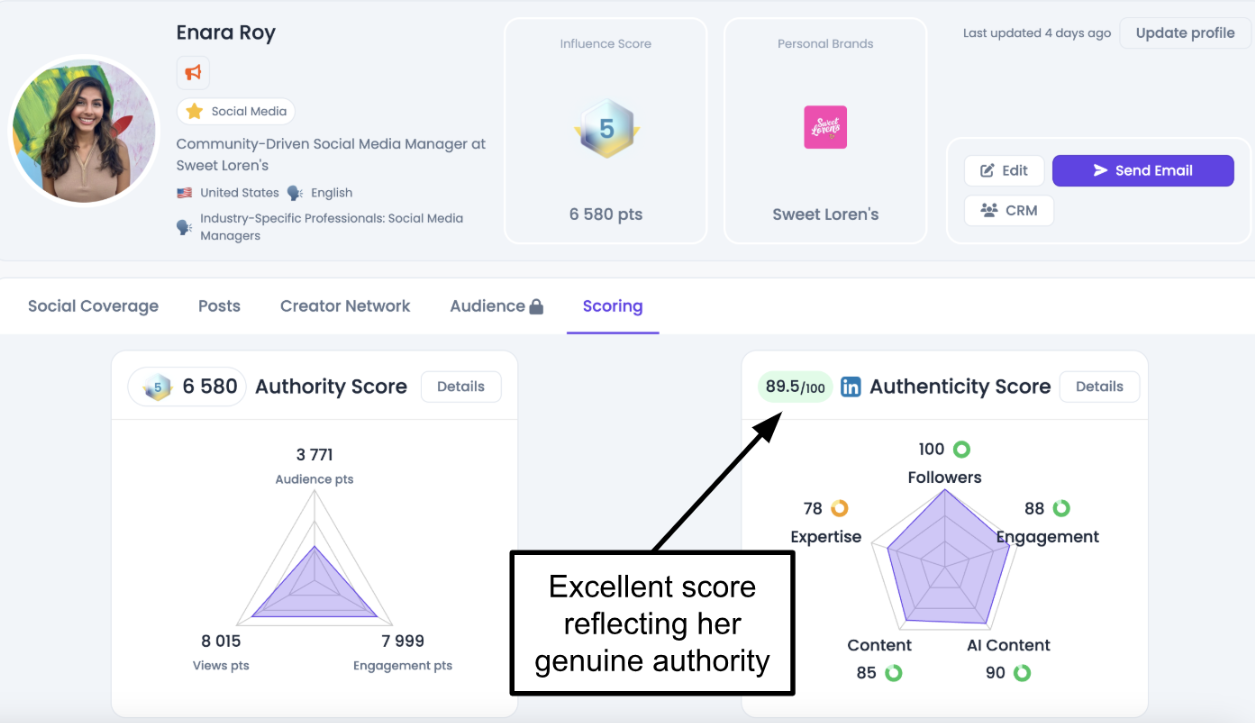
Additionally, Enara is a real user of the AdFairy platform.
If you’re targeting existing customers, you can likely negotiate a better deal by offering free product to reduce the total promotion cost – something that you can’t do with traditional paid media. If you're budgeting for a first campaign, our B2B influencer price calculator can give you a realistic starting range before you reach out.
Additionally, you’ll notice that Ad Fairy didn’t target a massive influencer. Instead, they worked with a trusted micro influencer who perfectly matched their ICP and had a highly relevant audience..
Insight #3: LinkedIn influencer marketing is excellent for raising problem (and solution) awareness
A marketing problem many companies face is that customers are unaware that a better solution to their current process exists.
If customers aren't aware that a more efficient method exists, they won't think to search for a solution.
I’ll give you an example.
Let’s say you offer an AI tool to lawyers that automatically flags billing entries or costs that might get rejected by insurance carriers or corporate clients.
Most lawyers probably don’t even realize that a solution like that exists.
Therefore, SEO and traditional customer acquisition methods won’t drive traffic because your customers aren’t actively searching for a solution.
Instead, LinkedIn influencer marketing can make potential customers aware of the problem (and your solution) in a single post.
Influencer marketing is also much more authentic than an ad because your prospects follow influencers specifically to learn about new trends and strategies (like your product use cases).
Context AI is an excellent example of how LinkedIn influencer marketing can make customers problem-aware.
For example, VCs might not realize that they can automate pitch deck analysis and slide deck generation. This post makes them aware of the problem and presents a solution:
You can also negotiate with influencers to use the content in ads.
The key to making these problem-aware posts work is ensuring influencers actually use your product for that specific use case.
Therefore, you have two options:
- Only hire current customers who genuinely use your product.
- Have your CS team sit down with influencers who aren’t aware of your product and discover a legitimate use case that solves a problem for them (and, you might earn a new customer!)
Play the video to learn more:
Insight #4: LinkedIn influencer marketing is an excellent way to expand internationally.
One of the challenges with expanding internationally is understanding cultural differences and calibrating messaging accordingly.
There are numerous examples of international ads that went awry due to cultural ignorance and resulted in more negative PR than positive impact.
Collaborating with influencers eliminates this risk because the influencer understands the cultural norms in their region and can deliver the message in a way that resonates with those people.
For example, Synthesia recently worked with several influencers to expand internationally.
Here’s an example of an ad they ran with a German influencer (and it also illustrated their new AI dubbing feature):
Is LinkedIn Influencer Marketing Right For Your Company?
LinkedIn is becoming one of the most popular B2B influencer marketing platforms, and creators on the platform are still likely undervalued.
So how do you know if it’s right for your company?
While there isn’t a definitive answer to that question, ask yourself:
Is a significant percentage of your audience active on LinkedIn?
If the answer is “yes” (as it is for most B2B companies), consider allocating a small budget to run a few campaigns.
If you need help finding LinkedIn influencers, contacting them, and tracking campaigns, consider using Favikon.
Favikon is an all-in-one influencer marketing platform that allows you to find and connect with LinkedIn influencers across the globe.
You can sort by industry, niche, language, region, engagement rate, posts per month, and other filters to find the perfect partners to promote your brand.
You can also manage your communication and campaigns directly inside the Favikon platform.
Amazon, IBM, and dozens of startups are already finding LinkedIn creators through Favikon. Filter by industry, niche, language, region, and engagement rate to build your own shortlist.
→ Join the brands already on Favikon
Others articles